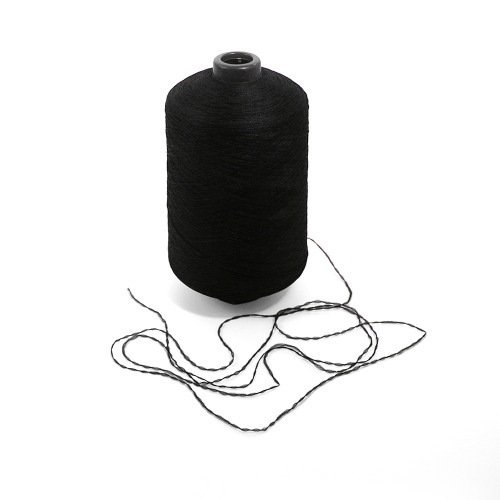
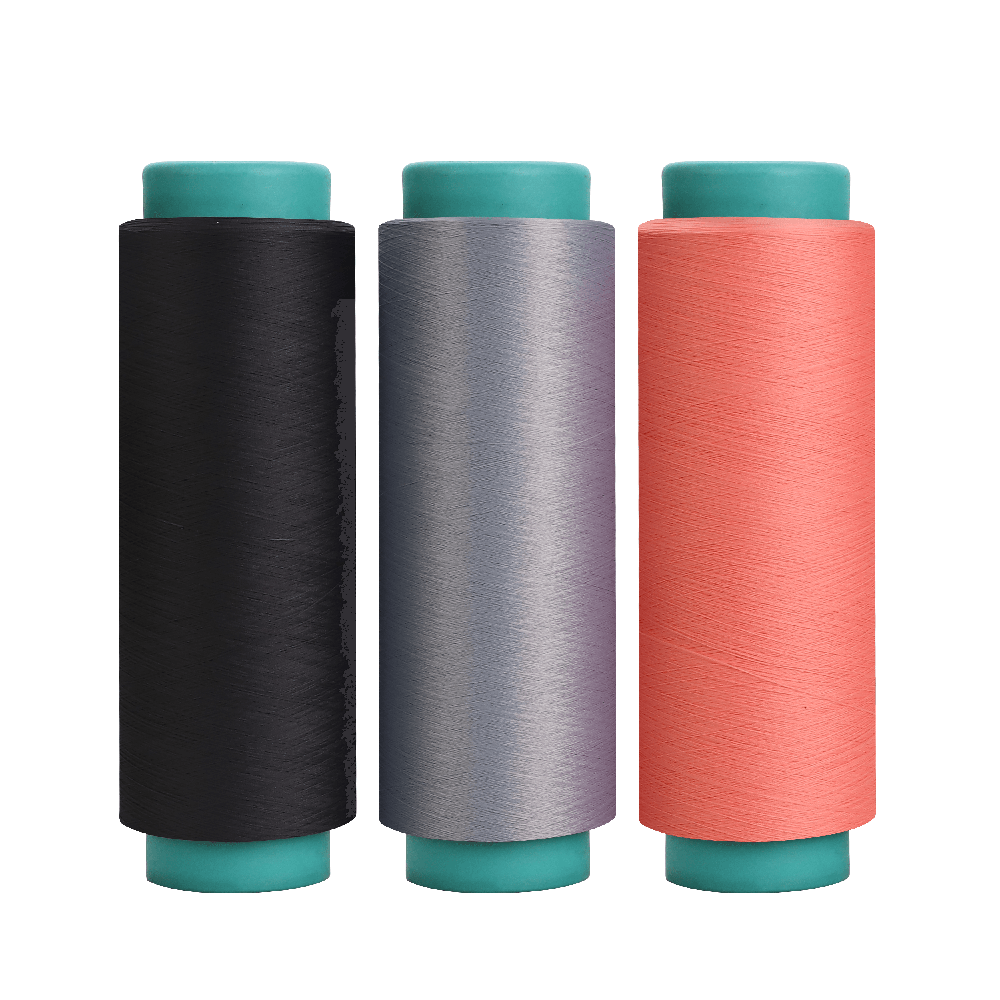
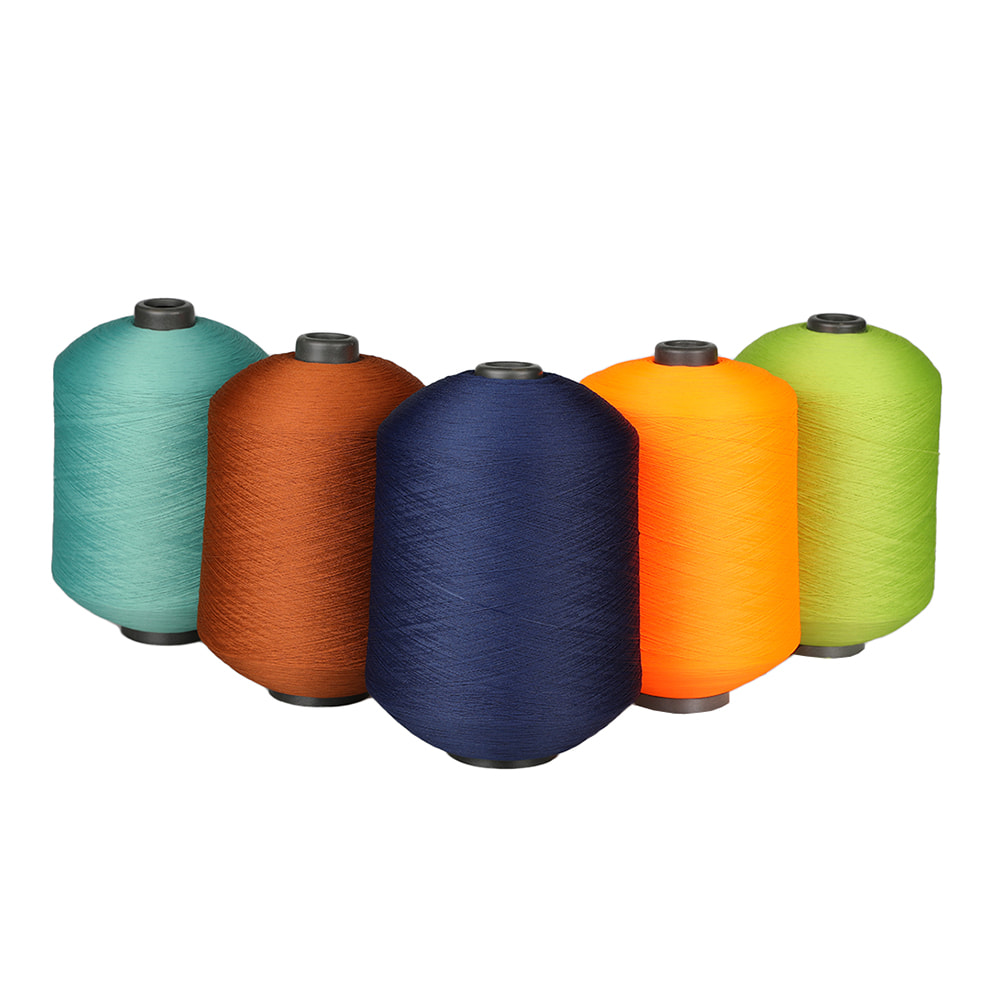
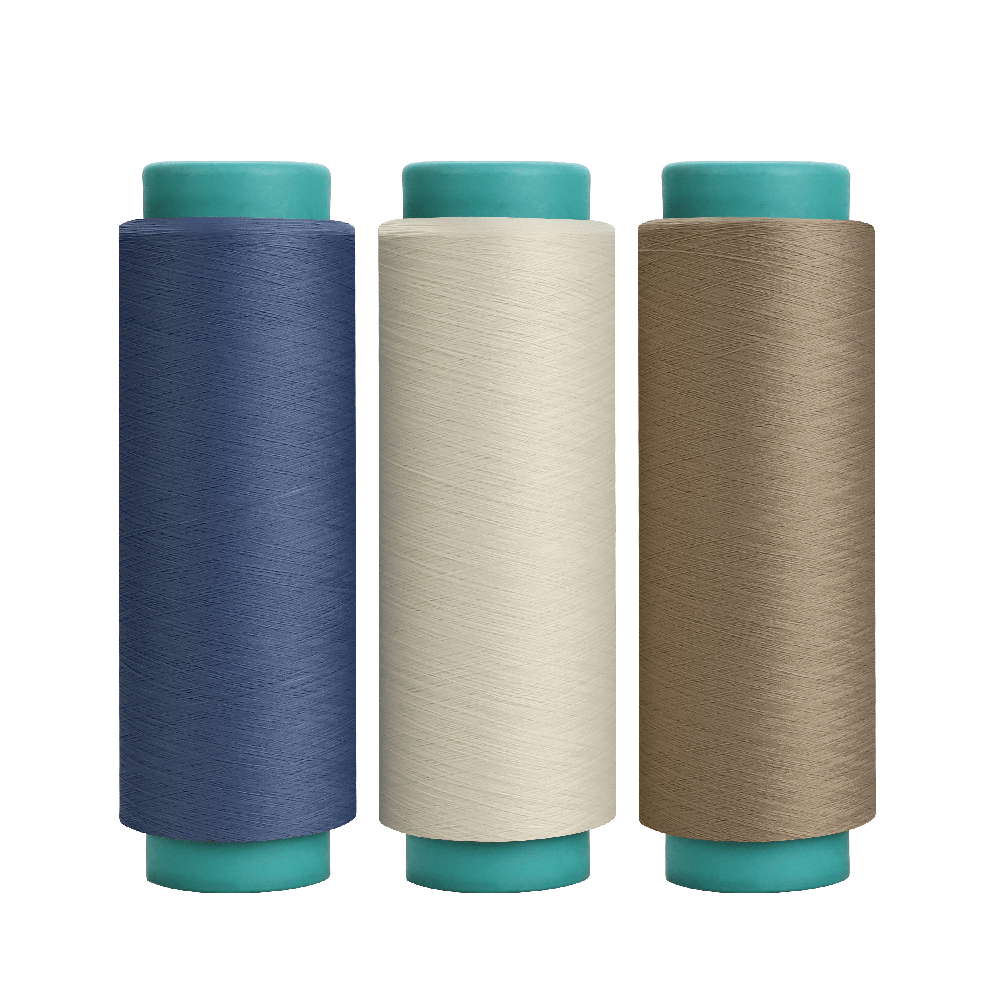
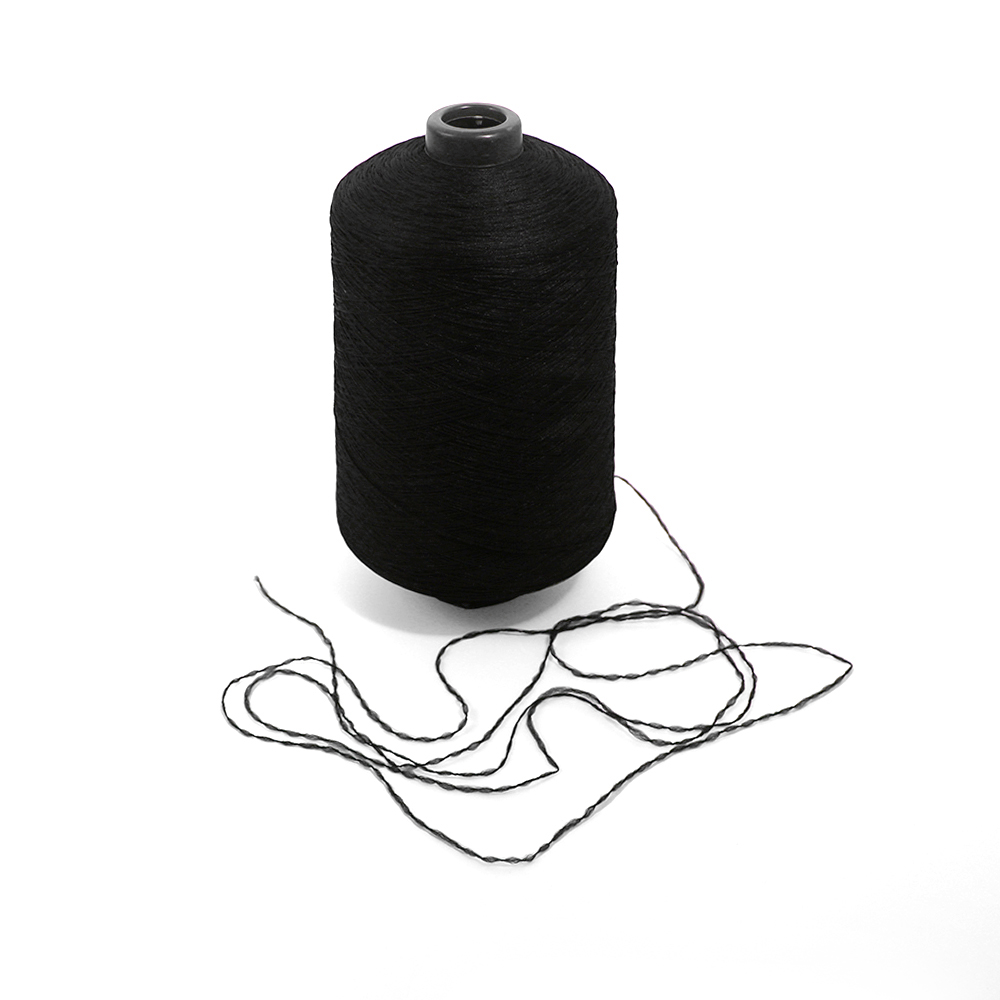
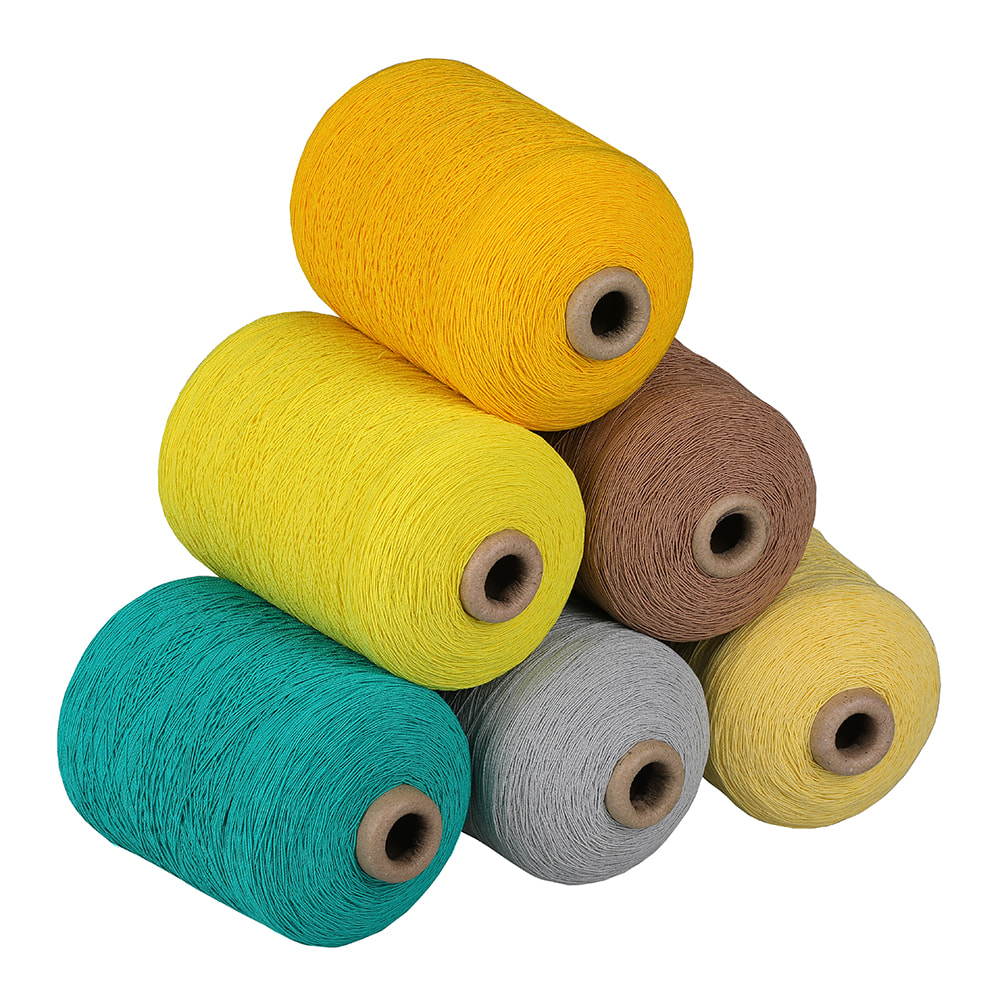
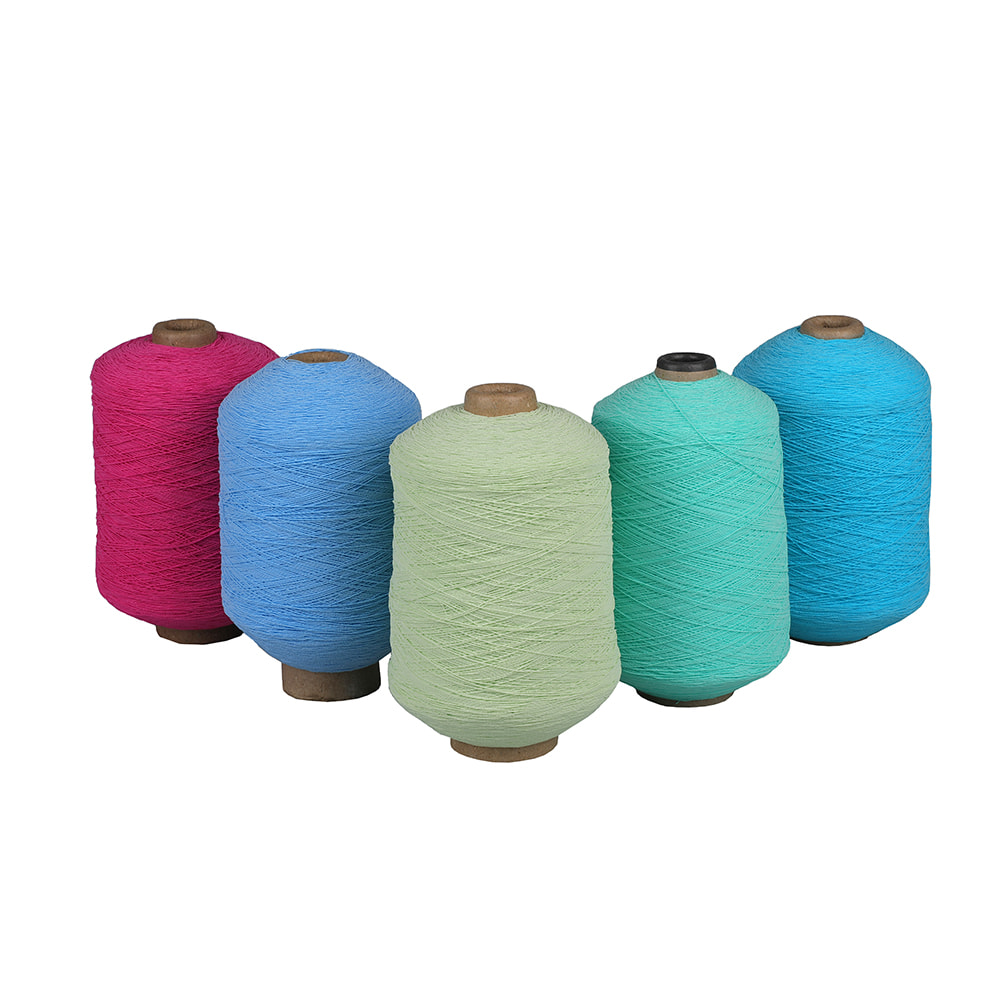
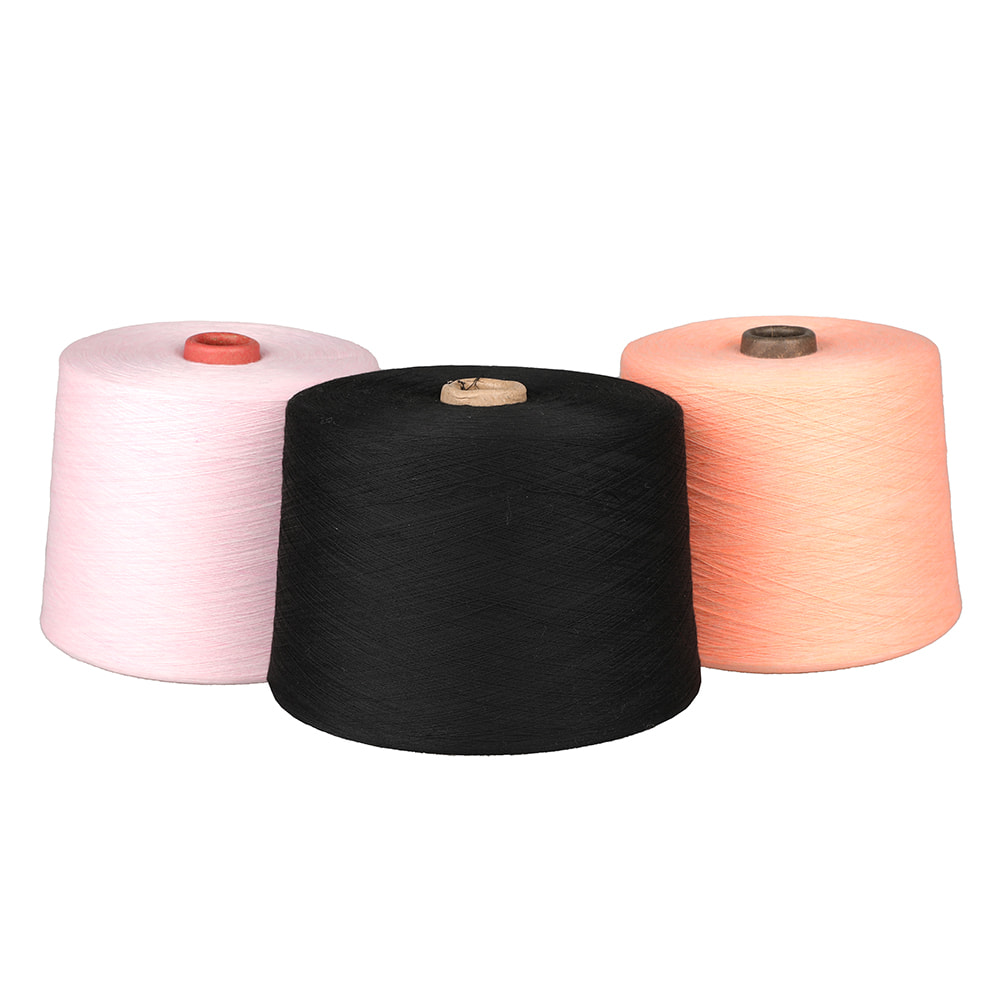
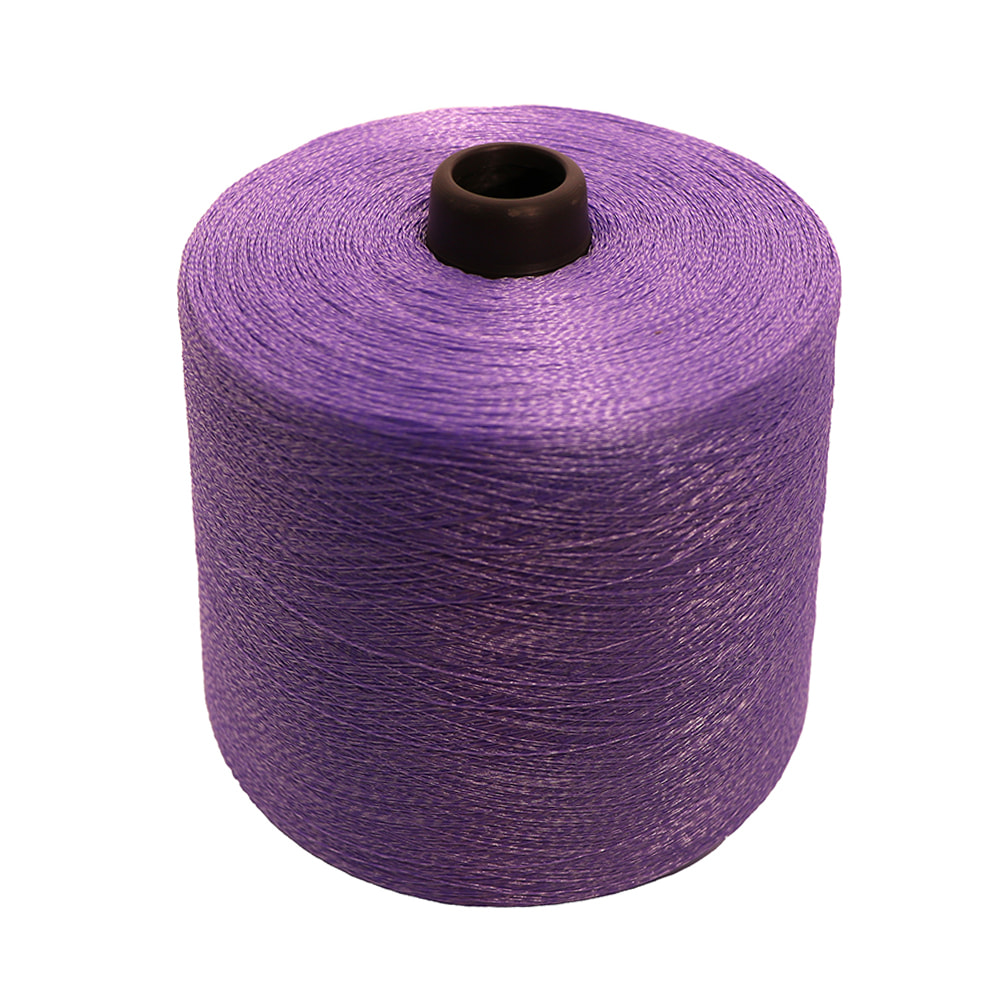
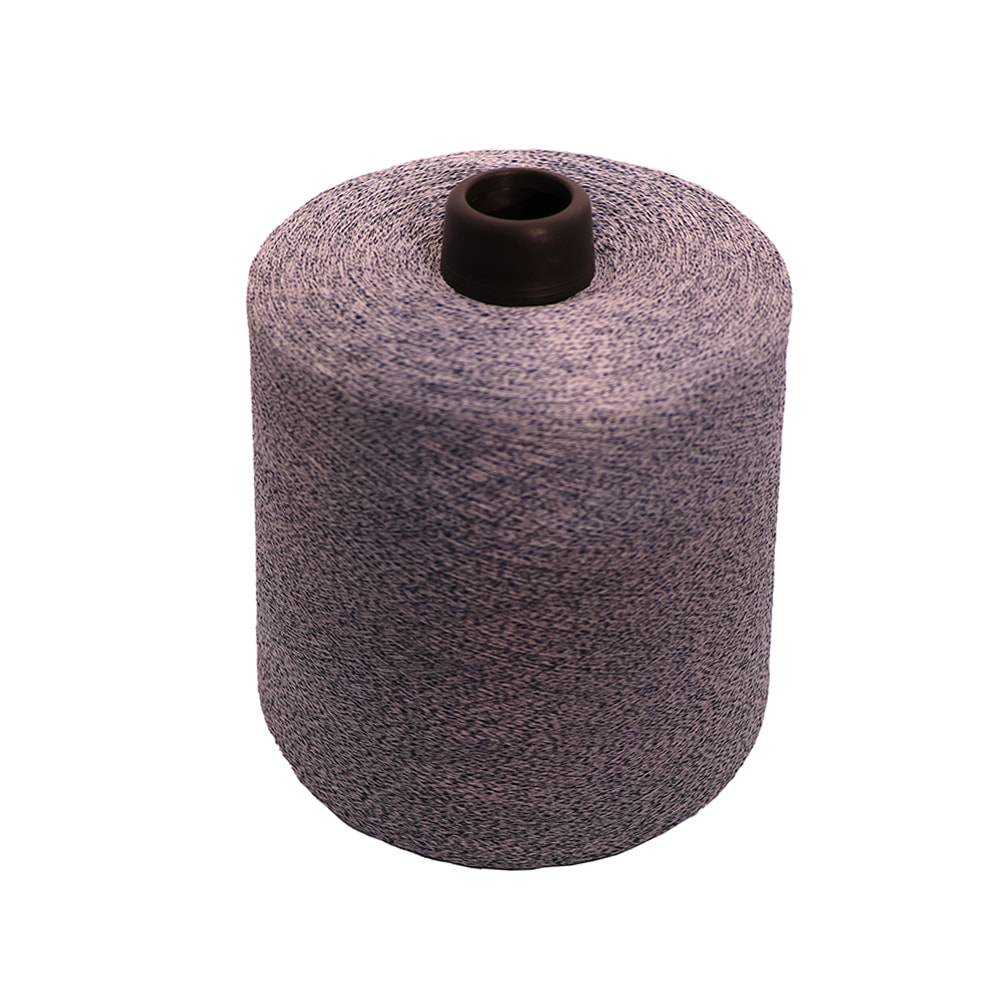
Polyester Low Stretch Yarn is a high-performance synthetic filament engineered for applications where dimensional stability, minimal elongation, and consistent tension are non-negotiable. In short: if your end product cannot afford to grow, shrink, or deform under stress or heat, this yarn is the answer.
What Makes It "Low Stretch"?
Standard polyester filament yarn (FDY or POY) typically exhibits elongation at break values ranging from 25% to 45%. Polyester Low Stretch Yarn is produced through a controlled draw-texturing or high-speed spinning process that locks polymer chains in a tightly oriented, crystalline structure. The result is a yarn with elongation values typically constrained to the 15% to 25% range - sometimes as low as 10% in ultra-high-tenacity variants.
This structural difference matters enormously in production. When a fabric or technical textile is woven or knitted with low-stretch yarn, the finished product maintains its geometry through repeated washing, heat exposure, and mechanical loading. The yarn simply does not give.
- Elongation at break: 25% - 45%
- Higher crimp and elasticity
- Boiling water shrinkage: 3% - 8%
- Suited for general apparel
- Elongation at break: 10% - 25%
- High orientation, low crimp
- Boiling water shrinkage: < 1.5%
- Suited for technical and precision use
Core Technical Specifications
The following table presents typical specification ranges for industrial-grade Polyester Low Stretch Yarn. These values vary by denier, filament count, and intended application, but serve as reliable benchmarks for procurement and design.
| Parameter | Typical Range | Unit |
| Linear Density | 50D - 1500D | Denier |
| Tenacity (Dry) | 6.5 - 8.5 | g/d |
| Elongation at Break | 10% - 25% | % |
| Boiling Water Shrinkage | < 1.5% | % |
| Moisture Regain | 0.3% - 0.5% | % |
| Melting Point | 250 - 260 | Degree C |
| Number of Filaments | 12 - 288 | f |
| Oil Pick-Up (OPU) | 0.15% - 0.30% | % |
| Intermingling (Knots) | 30 - 80 | knots/m |
| Breaking Strength CV% | < 2.5% | % |
Dimensional Stability: The Defining Advantage
Dimensional stability refers to a material's ability to retain its size and shape when subjected to external forces such as heat, moisture, mechanical tension, or repeated use. For yarn, this property is measured primarily through boiling water shrinkage (BWS) tests and hot air shrinkage tests.
Low stretch polyester achieves exceptional dimensional stability through three mechanisms:
The draw ratio during manufacturing is precisely controlled to achieve crystallinity levels above 50%, reducing the amorphous regions where thermal relaxation typically causes shrinkage.
Post-drawing heat treatment at temperatures between 180 and 220 degrees Celsius relieves residual stress in the polymer chain, locking in the low-shrinkage geometry permanently.
Tight control over birefringence across the yarn cross-section ensures uniform mechanical response, preventing uneven shrinkage patterns in finished textiles.
A practical example: a geotextile membrane woven from standard polyester may shift by 3 to 5 mm per linear meter when exposed to summer ground temperatures. The same membrane made from low-stretch polyester shifts less than 0.8 mm - a difference that prevents structural failure in civil engineering applications over a 20-year service life.
Where This Yarn Is Actually Used
The applications of Polyester Low Stretch Yarn span industries where precision geometry and long-term structural reliability are essential. Below are the most significant use cases with context on why this specific yarn type is preferred.
Seams in automotive airbags, safety harnesses, and technical outerwear demand thread that will not elongate under sudden load. Low-stretch polyester thread maintains seam integrity even at tensile loads exceeding 200 N.
Reinforcement applications in rubber goods require yarn with tenacity above 7.5 g/d and elongation below 20%. Low-stretch polyester provides the stiffness needed to prevent belt creep and tire deformation under continuous load.
Ground stabilization fabrics, drainage filtration membranes, and erosion control meshes all benefit from low-stretch construction. A geotextile rated for 50 kN/m tensile strength must maintain that rating without creep over decades.
Elastic-free waistbands, label tapes, and medical bandages woven to exact width tolerances cannot use standard polyester. Any stretch in the warp or weft distorts the weave. Low-stretch variants ensure the finished fabric width is within plus or minus 0.5 mm of the specification.
In fiber optic cable construction, strength members made from low-stretch polyester protect the glass core from tensile stress. Even 1% elongation in the strength member could stress the optical fiber to the point of signal loss.
Monofilament low-stretch polyester is tensioned across printing frames at precise mesh counts (e.g., 120 threads/cm to 200 threads/cm). Screen stretch during printing causes registration errors; low-stretch yarn eliminates this problem.
Selecting the Right Denier and Filament Count
Choosing the correct product configuration requires matching denier (total yarn thickness) and filament count (number of individual fibers bundled together) to the mechanical demands of the application.
| Application Type | Recommended Denier | Filament Count | Key Reason |
| Sewing thread (apparel) | 75D - 150D | 36f - 72f | Soft hand, fine seam |
| Industrial sewing thread | 200D - 500D | 48f - 96f | High breaking strength |
| Tire cord reinforcement | 840D - 1500D | 96f - 192f | Maximum tenacity, low creep |
| Geotextile warp | 500D - 1000D | 72f - 144f | Stability over long spans |
| Filter fabric / screen printing | 50D - 100D (mono) | Monofilament | Precise mesh aperture |
| Optical cable strength member | 200D - 400D | 48f - 96f | Zero creep under tension |
Processing Considerations for Manufacturers
Working with low-stretch polyester requires some adjustments to standard processing equipment and parameters. Here are practical points that matter on the production floor:
- Warp Tension Control: Because the yarn resists elongation, any tension spikes during warping will not be absorbed elastically. Use servo-controlled tension systems with a variance of less than plus or minus 5% to prevent warp breaks.
- Loom Settings: Rapier and air-jet looms should be set to lower warp tension than with standard polyester - typically 10% to 15% lower - to avoid fatigue at the reed contact points.
- Dyeing Temperature: The tightly packed polymer structure requires higher dyeing temperatures (130 degrees Celsius under pressure) and longer dwell times to achieve adequate dye penetration. Disperse dyes with high diffusion coefficients are preferred.
- Heat-Setting After Weaving: For fabrics requiring additional dimensional stability, a final heat-set at 160 to 185 degrees Celsius under controlled tension will consolidate the structure and eliminate any residual shrinkage potential.
- Lubrication: The higher tenacity means more friction at guide points. Ensure the OPU level is at the upper range (0.25% to 0.30%) to reduce guide wear and static buildup.
Quality Standards and Testing Protocols
Reputable suppliers of low-stretch polyester yarn test against internationally recognized standards. Buyers should request test reports covering the following parameters before confirming orders:
- ASTM D2256: Tensile properties of yarn by the single-strand method
- ISO 2062: Textiles - Yarns from packages - Determination of single-end breaking force and elongation
- ASTM D2259: Shrinkage of yarns - Boiling water method
- ISO 6942: Measurement of thermal properties (for industrial applications)
- GB/T 14463: Chinese national standard for polyester industrial filament (widely used in Asian supply chains)
Coefficient of variation (CV%) for breaking strength should be below 2.5%, and for elongation below 3.0%, to ensure consistent fabric performance across large production runs.